

Ankle Arthritis Treatment in Fairfax, VA
Wear of the ankle joint cartilage causing pain, stiffness, and swelling, managed with bracing, injections, and joint-preserving or replacement surgery.
Overview
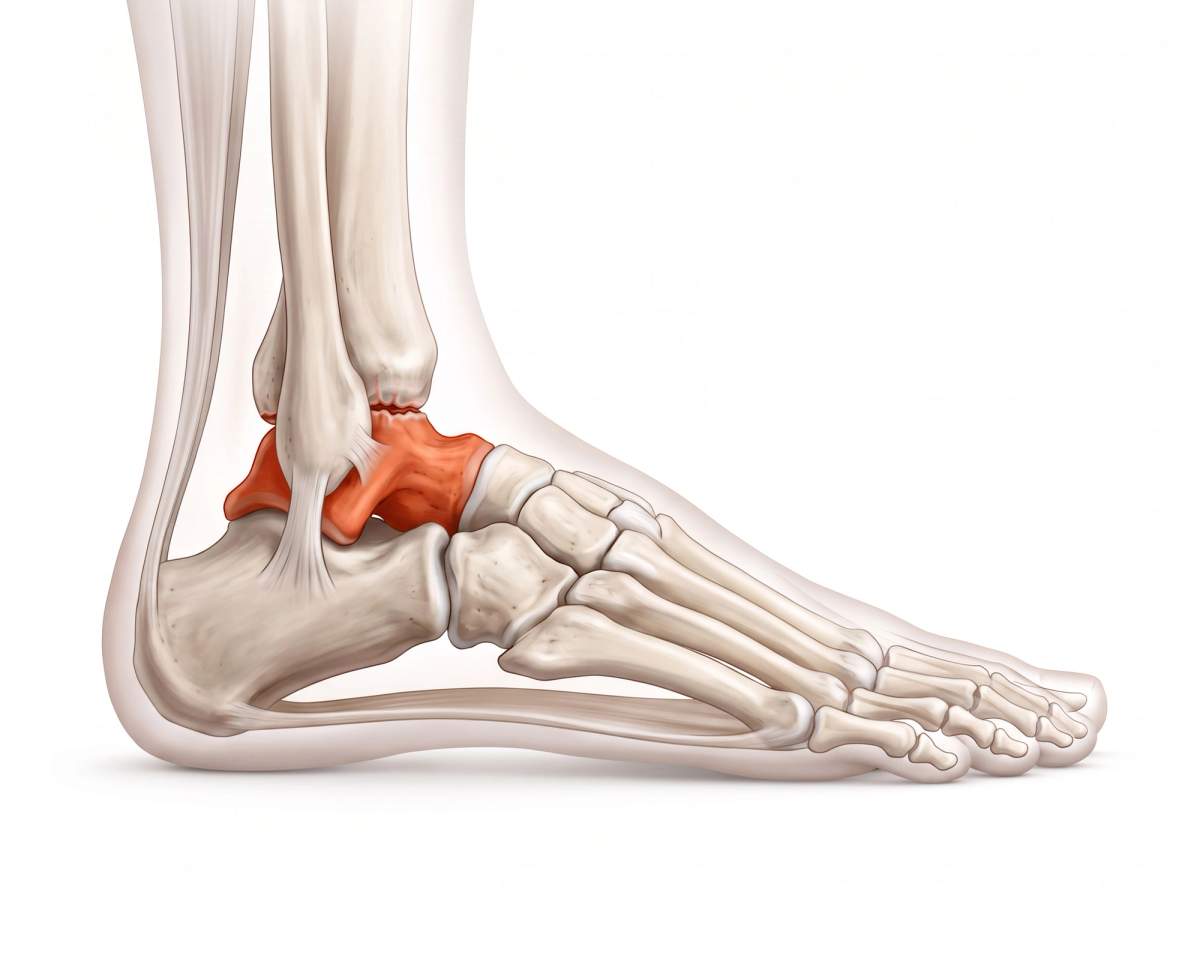
Ankle osteoarthritis develops when the smooth cartilage covering the ankle joint wears down, leaving bone surfaces to rub. Unlike hip and knee arthritis, most ankle arthritis is post-traumatic: it follows a fracture or repeated sprains, sometimes many years later.
Symptoms
- Deep, aching ankle pain, worse with walking or standing
- Stiffness, especially in the morning or after sitting
- Swelling around the joint
- Grinding or catching
- Trouble on stairs, hills, or uneven ground
Causes and risk factors
- Prior ankle fractures
- Repeated sprains or chronic ankle instability
- Malalignment of the leg or foot
- Inflammatory arthritis, such as rheumatoid arthritis
- Gout and other joint conditions
Diagnosis
Weight-bearing X-rays show joint-space narrowing, bone spurs, and alignment. CT or MRI helps with surgical planning and shows cartilage damage in earlier stages.
Treatment
- Conservative: activity modification, supportive or rocker-bottom shoes, ankle braces, and anti-inflammatory medication
- Injections: corticosteroid for flare-ups; regenerative options for selected early cases
- Joint-preserving surgery: arthroscopic spur removal or realignment osteotomy for earlier-stage disease
- End-stage surgery: ankle fusion, a durable option for advanced arthritis (Reconstructive Surgery & Trauma)
When to see us
Book a visit at our Fairfax office if ankle pain or stiffness limits walking, keeps you from activities, or follows an old injury that never felt quite right.
Our approach
Both of our surgeons completed advanced fellowship training, and Dr. Shyaun Rafii and Dr. Andrew Falco both perform reconstructive and complex foot and ankle surgery. We weigh bracing, injections, and joint-preserving options before recommending fusion.
Frequently asked questions
Is ankle fusion my only surgical option?
For advanced arthritis, fusion is the most durable and predictable option, and most patients return to walking, hiking, and daily activity. Earlier stages may be candidates for joint-preserving procedures instead.
Can a brace help ankle arthritis?
Yes. A supportive brace limits painful motion and can significantly reduce pain for many patients.
Does arthritis always get worse?
It usually progresses slowly, but many people manage well for years with conservative care.