

Plantar Fasciitis Treatment in Fairfax, VA
The most common cause of heel pain, usually sharpest with your first steps in the morning, and highly treatable without surgery.
Overview
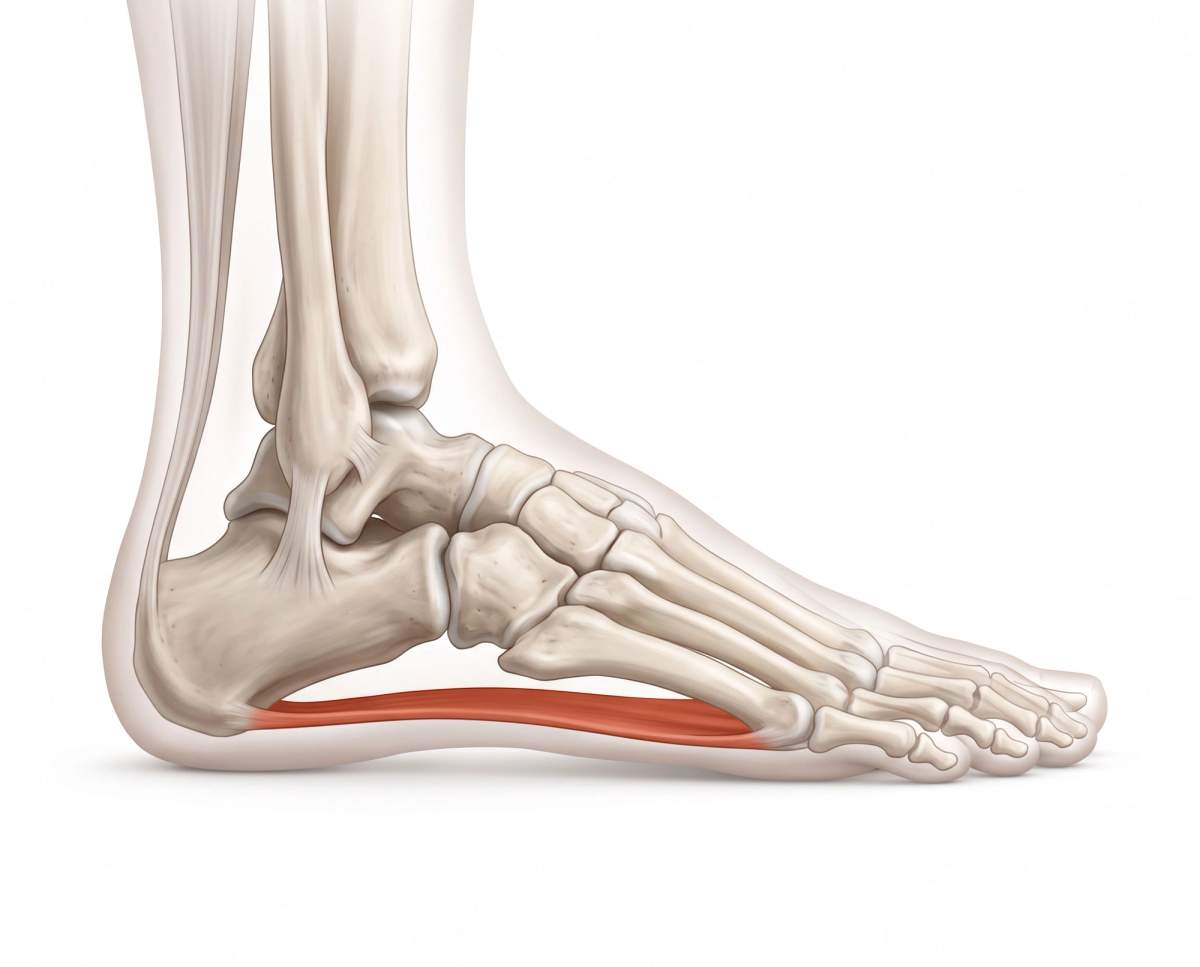
The plantar fascia is a thick band of tissue running along the bottom of the foot from the heel to the toes. It supports the arch with every step. When it's overloaded, it becomes irritated and degenerates near the heel, causing pain that can make standing and walking difficult.
Symptoms
- Sharp or stabbing pain on the bottom of the heel
- Pain with the first steps in the morning or after sitting
- Pain that eases with walking, then returns after long periods on your feet
- Tenderness on the inner bottom of the heel
Causes and risk factors
- Tight calf muscles and Achilles tendon
- Flat feet or high arches
- Sudden increases in running or standing time
- Unsupportive shoes or hard surfaces
- Higher body weight
Diagnosis
Diagnosis is usually made from your history and an exam. X-rays rule out stress fractures and show heel spurs; MRI or ultrasound imaging is ordered as needed.
Treatment
- Conservative: calf and plantar fascia stretching, supportive shoes, and activity changes. Most patients improve with these alone.
- Support: custom orthotics, night splints, and taping
- Injections: corticosteroid for short-term relief; PRP for chronic cases
- Advanced: shockwave therapy
- Surgery: partial plantar fascia release or calf lengthening, rarely needed and only after several months of failed conservative care
When to see us
If heel pain is changing how you walk, book a visit at our Fairfax office. Early treatment shortens recovery.
Our approach
Most heel pain resolves without surgery, and that's where we start. Dr. Andrew Falco and Dr. Shyaun Rafii favor an evidence-based, conservative-first plan aimed at the cause of the overload, not just the pain.
Frequently asked questions
Is a heel spur causing my pain?
Usually not. Heel spurs are common in people without pain. The irritated fascia is the main source of symptoms.
How long does plantar fasciitis last?
Most cases improve within six to twelve months, and much faster with a consistent treatment plan.
Will I need surgery?
Very few patients do. The large majority improve with conservative care.
Should I keep running?
Often at reduced volume. We'll help you modify training while the fascia recovers.