

Diabetic Foot Ulcer Treatment in Fairfax, VA
An open sore on the foot that does not heal because of diabetes-related nerve damage or poor circulation, treated urgently with debridement, offloading, and advanced wound care to prevent infection and amputation.
Overview
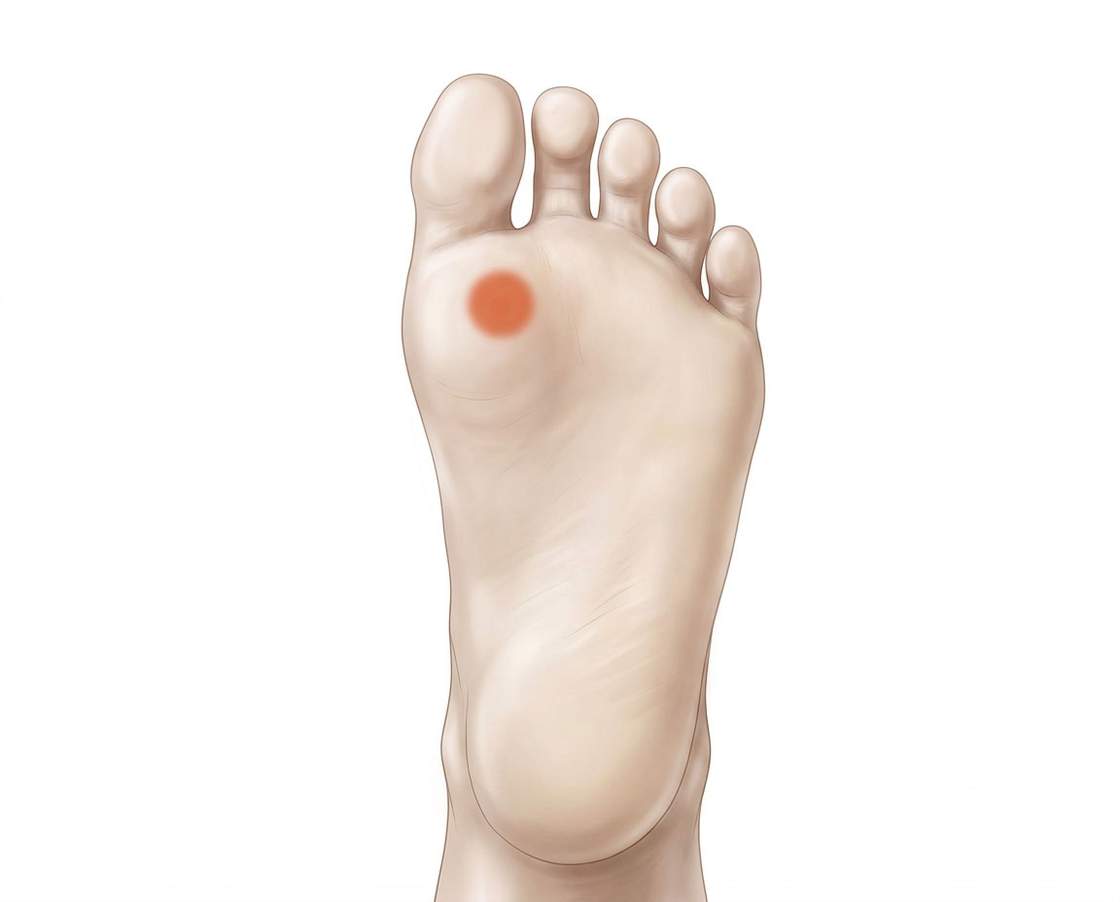
A diabetic foot ulcer is an open wound, most often on the bottom of the foot or over a pressure point. Two things make it dangerous. Nerve damage (neuropathy) means you may not feel the injury that started it, and reduced circulation means the wound heals slowly and fights infection poorly. Most diabetes-related amputations begin with a foot ulcer, and most ulcers can be healed when they are treated early and consistently.
Symptoms
- An open sore, blister, or crack on the foot, often painless
- Drainage on a sock or in a shoe
- Redness, warmth, or swelling around the sore
- A callus with dark or bloody tissue underneath
- Odor from the wound
- Fever or feeling unwell, a sign of spreading infection
Causes and risk factors
- Peripheral neuropathy, the loss of protective sensation in the feet
- Peripheral artery disease and poor circulation
- Foot deformities such as hammertoes, bunions, or Charcot foot that create pressure points
- Calluses that break down under repeated pressure
- Ill-fitting shoes, walking barefoot, or an unnoticed injury
- A previous ulcer or amputation
- Poorly controlled blood sugar and smoking
Diagnosis
We measure and photograph the wound, probe its depth, test sensation and pulses, and look for infection. X-rays check for bone involvement, and vascular studies or an MRI are ordered when circulation or deep infection is a concern. The wound is graded so that treatment matches its severity.
Treatment
- Debridement: removing dead and unhealthy tissue so the wound can heal, usually in the office
- Offloading: taking pressure off the wound with a surgical shoe, walking boot, or total contact cast
- Advanced wound care: targeted dressings, bioengineered skin substitutes, and negative pressure therapy when standard care is not enough (Advanced Wound Care)
- Infection control: antibiotics, cultures, and treatment of bone infection when present
- Circulation: coordination with vascular surgery when blood flow to the foot is limited
- Surgery: correcting the deformity that caused the ulcer so it does not return, and limb-preserving procedures when needed (Reconstructive Surgery & Trauma)
- Prevention: therapeutic shoes, custom inserts, and regular diabetic foot exams once the wound has healed (Diabetic Foot Care & Limb Preservation)
When to see us
Any open sore on the foot in a person with diabetes should be seen within 24 to 48 hours, at our Fairfax office or through a home visit. Call the same day if there is redness spreading from the wound, drainage, odor, or fever.
Our approach
Dr. Shyaun Rafii and Dr. Andrew Falco trained in the MedStar Georgetown University Hospital Limb Salvage Program, working alongside plastic and vascular surgeons. They bring that team approach to every ulcer: find out why it is not healing, treat that cause, and keep the patient on their feet.
Frequently asked questions
How long does a diabetic foot ulcer take to heal?
It depends on size, depth, circulation, and how well pressure is kept off it. Many heal within several weeks to a few months with consistent care. A wound that is not steadily shrinking needs a change in treatment.
Will I lose my foot?
Most patients who are treated early and keep up with care do not. Amputation risk rises when ulcers go untreated or become deeply infected, which is why we want to see any sore right away.
Why can't I feel it?
Diabetic nerve damage reduces the sensation that would normally warn you of a blister or cut. That is why daily foot checks matter.
Can you treat the wound at home?
Yes. For patients who have trouble getting to the office, we treat active wounds through our concierge home visit service.